Landscaping Ideas to Hide a Generator (Without Sacrificing Airflow or Access)
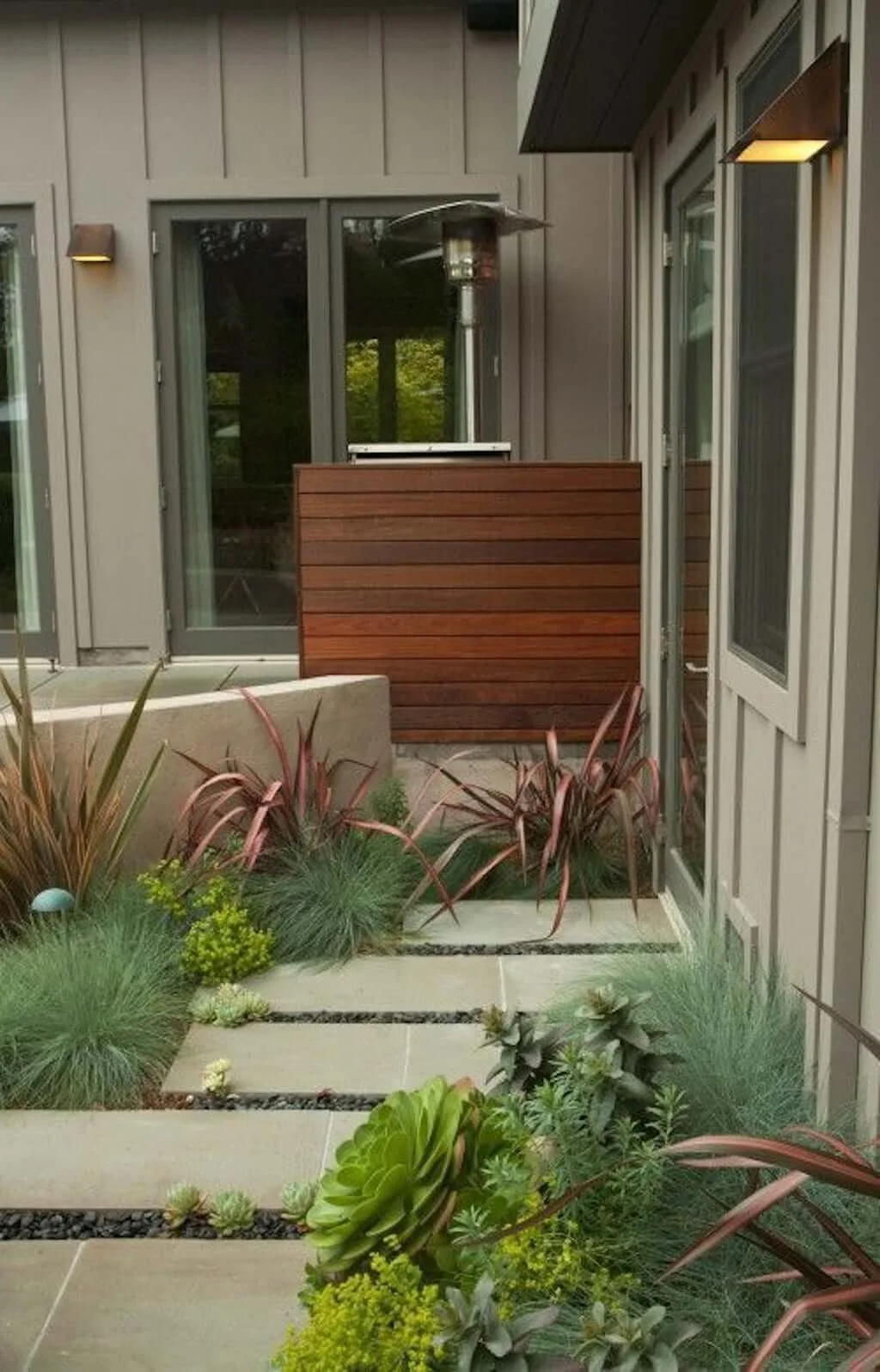 A standby generator is one of the smartest investments you can make for your home — until you step outside and see that big metal box parked next to your foundation. It’s not exactly the curb appeal upgrade you were hoping for.
The good news? You don’t have to choose between backup power and a beautiful yard. With the right combination of plants, hardscaping, and a few clever accessories, you can make your generator practically disappear — all while keeping it fully functional, properly ventilated, and accessible for maintenance.
Below, we’ll walk through the best landscaping ideas to hide a home generator, from quick weekend fixes to full-scale yard projects. Every approach keeps safety and airflow front and center, because a screened generator that overheats isn’t doing anyone any favors.
Before You Start: Safety Clearances You Need to Know
Before you plant a single shrub or hammer in a fence post, you need to understand the clearance requirements for your generator. Ignoring these can void your warranty, violate local building codes, or — worst case — create a fire or carbon monoxide hazard.
Here are the general rules most manufacturers and the National Fire Protection Association (NFPA) follow:
Minimum clearances for standby generators:
— 18 inches from the house (rear of the generator to the structure wall)
— 36 inches on the sides and front for airflow and maintenance access
— 5 feet from any windows, doors, or vents to prevent carbon monoxide from entering the home
— 5 feet from the property line (check your local codes — some municipalities require more)
— No vegetation taller than 12 inches within 3 feet of the unit per NFPA code
— 48 inches of overhead clearance — never place a generator under a deck, overhang, or low-hanging branches
These are minimums. Your specific generator model may require more space, so always check your owner’s manual. If your local code is stricter than the manufacturer’s recommendation, the local code wins.
The bottom line: Every landscaping idea in this guide respects these setback requirements. When we say “plant shrubs around your generator,” we mean around it at a safe distance — not pressed up against it like a hedge wall.
1. Evergreen Shrubs: Year-Round Screening That Grows With Your Yard
Evergreen shrubs are the single most popular way to hide a generator, and for good reason. They provide dense, year-round coverage that blends naturally into your existing landscaping. Unlike a fence or screen, they don’t look like you’re trying to hide something — they just look like part of the yard.
Best evergreen shrubs for screening a generator:
Boxwood — The classic choice. Boxwood is compact, dense, and easy to shape. It grows slowly enough that you won’t be fighting it back from your generator every season. A row of three to four Green Velvet or Winter Gem boxwoods planted 3 to 4 feet from the unit creates a clean, formal screen. They top out at 3 to 4 feet tall, which is ideal for most residential generators.
Arborvitae (Emerald Green) — If you need more height, Emerald Green arborvitae grows in a narrow, columnar shape that’s perfect for tight side-yard spots. They reach 12 to 15 feet at maturity but stay only 3 to 4 feet wide, so they won’t encroach on your clearance zone. Plant them 3 to 4 feet from the generator and space them 2 to 3 feet apart for a solid privacy wall.
Holly (Inkberry or Winterberry) — Inkberry holly is an underrated pick. It’s native, tolerates partial shade (great for the shaded side of a house where generators often sit), and stays dense without heavy pruning. It grows 5 to 8 feet tall and offers dark green foliage year-round.
Dwarf varieties to consider: If your generator sits close to the house and you’re tight on space, look at compact options like Gem Box Inkberry Holly, North Star Boxwood, or Little Giant Arborvitae. These stay under 3 feet tall and won’t crowd the unit.
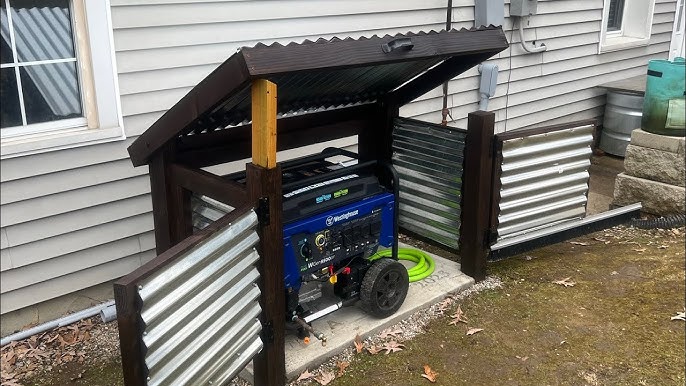
Planting tips for generator screening:
— Plant shrubs at least 3 feet from all sides of the generator (remember the 36-inch clearance rule).
— Choose species with shallow, non-invasive root systems. Deep-rooted plants can damage underground gas lines, electrical conduits, or the generator’s foundation pad.
— Leave a clear access path so a technician can reach the unit for annual maintenance. Don’t plant a complete ring — leave at least one side open or easily accessible.
— Mulch the bed around your plantings to suppress weeds and give the area a finished look, but keep mulch at least 12 inches from the generator base to reduce debris and fire risk.
If your generator’s exhaust has been browning or yellowing the grass nearby, evergreen shrubs planted at a safe distance won’t suffer the same fate — their woody stems and elevated foliage are well above the exhaust zone.
2. Ornamental Grasses: A Soft, Natural Screen
If formal evergreens aren’t your style, ornamental grasses offer a relaxed, natural-looking alternative. They grow fast, move beautifully in the breeze, and — critically for generator screening — they allow excellent airflow through their open structure.
Top ornamental grasses for hiding a generator:
Feather Reed Grass (Karl Foerster) — This is the go-to. It grows in a tight, upright clump that reaches 4 to 5 feet tall, stays narrow (about 2 feet wide), and holds its shape well through winter. It won’t flop over and block access to your generator. Plant a row of three to five clumps about 3 feet from the unit for a clean, modern screen.
Zebra Grass (Miscanthus sinensis ‘Zebrinus’) — Wider and more dramatic than feather reed grass, zebra grass reaches 5 to 7 feet tall with distinctive horizontal gold bands on the leaves. It’s a statement plant that draws the eye to the grass and away from whatever’s behind it.
Switchgrass (Panicum virgatum) — Native to North America and extremely low-maintenance. Varieties like ‘Heavy Metal’ grow upright to about 5 feet and turn a striking blue-gray color in summer. Switchgrass is drought-tolerant once established and handles heat from nearby exhaust better than most ornamentals.
Little Bluestem — A shorter option (2 to 4 feet) that works well if your generator is a smaller unit. The fall color — coppery orange turning to rust — is outstanding. It’s also native and practically maintenance-free.
Ornamental grasses are especially effective when combined with a low fence or screen on one side. The fence provides immediate coverage while the grasses fill in and soften the look over the first growing season. If you’re interested in how different grass types spread and fill gaps, our guide on how grass spreads covers the mechanics — the same principles of rhizome and clump growth apply to ornamental varieties.
3. Privacy Screens and Fencing: Instant Coverage
If you need to hide your generator now — not in two or three growing seasons — a privacy screen or fence section is the fastest solution. And thanks to the no-dig screen panels available today, you don’t even need to set posts or pour concrete.
Best screening options:
No-dig vinyl privacy screens — These are the most popular option on Amazon for a reason. Brands like Zippity Outdoor Products and Enclo make panels that simply stake into the ground. Most are 3 to 4 feet tall and 3 to 5 feet wide — the right size to shield a residential generator from one or two sides. They’re UV-resistant, weather-resistant, and never need painting. A two-panel L-shaped setup screens the generator from the street and yard while leaving the back open for airflow and maintenance.
Cedar wood privacy screens — If you want a more natural look, cedar screens offer warmth and character that vinyl can’t match. Greenes Fence and Enclo both sell cedar panels on Amazon that require no digging. Cedar naturally resists rot and insects, and it weathers to a beautiful silver-gray over time if left unstained.
Lattice panels — Lattice is a smart middle ground between full privacy and open airflow. The crisscross pattern blocks sightlines while allowing air to flow freely through the openings — which is exactly what your generator needs. You can also train climbing plants like clematis, jasmine, or climbing hydrangea up a lattice panel for a living wall effect. Just make sure the lattice is positioned at least 3 feet from the generator so the foliage doesn’t encroach on the clearance zone as it grows.
Louvered aluminum panels — These are the premium option. The angled louvers are specifically designed to block sightlines from the front while allowing air to exhaust freely out the back — essentially the same principle as the vents on the generator itself. They’re more expensive than vinyl or wood, but they look sharp and require zero maintenance.
For more ideas on adding structure and visual interest to your yard without breaking the bank, check out our guides on cheap landscaping ideas and simple front yard landscaping ideas.
4. Rock Gardens and Hardscaping: Low-Maintenance Concealment
If you’d rather not deal with watering, pruning, or seasonal maintenance around your generator, a rock garden or hardscape approach might be the perfect fit. Decorative stone and gravel look clean year-round, they won’t grow into the clearance zone, and they solve the common problem of dead grass patches around generators caused by exhaust heat and vibration.
How to build a rock garden around your generator:
Step 1: Define the area. Use landscape edging (steel or aluminum edging gives the cleanest lines) to create a rectangular or kidney-shaped bed that extends at least 3 feet from each side of the generator. This replaces the lawn area that would otherwise get scorched by exhaust or worn down by foot traffic during maintenance visits.
Step 2: Lay weed barrier fabric. Cover the exposed soil with commercial-grade landscape fabric. This prevents weeds from growing up through your rock bed — because weeding around a generator is nobody’s idea of a good time.
Step 3: Add your base layer. Fill the bed with 2 to 3 inches of decorative gravel or river rock. Popular choices include pea gravel (smooth and affordable), river rock (larger and more natural-looking), or lava rock (lightweight and excellent for drainage).
Step 4: Add feature boulders. Strategically placing two or three larger boulders (12 to 24 inches) around the generator creates visual interest and draws the eye to the rock garden rather than the metal box behind it. Position them toward the front and sides where the generator is most visible.
Step 5: Optional — add potted plants. Set a few decorative planters among the rocks for color and softness. The key advantage of potted plants is mobility — you (or a service tech) can simply slide them out of the way for generator access. Tall planters with ornamental grasses or evergreen shrubs make excellent movable screens.
A rock garden also pairs beautifully with a DIY garden path. Running a stepping-stone walkway from the rock garden toward a patio or garden bed ties the whole area together and makes the generator zone look intentional rather than like an afterthought.
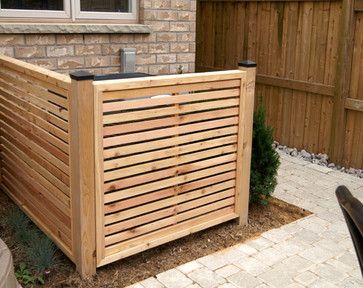
5. Decorative Potted Plants: Flexible and Movable
Potted plants are the most flexible screening option because they can be rearranged, moved for maintenance, and swapped out seasonally. If you’re renting, don’t want to commit to permanent landscaping, or need frequent generator access, this is the approach for you.
Best plants for container screening:
Tall ornamental grasses in large planters — A 20- to 24-inch planter with feather reed grass or purple fountain grass creates an instant 5-foot-tall screen that can be repositioned in minutes. Line three or four along the visible side of your generator.
Dwarf evergreens in decorative pots — Dwarf Alberta spruce, compact boxwood, or sky pencil holly in ceramic or composite planters provide year-round coverage with a polished, formal look.
Tall tropicals (seasonal) — In warmer months, large containers with canna lilies, elephant ears, or banana plants create dramatic, lush screens. These are seasonal in most climates but can be overwintered indoors.
Tips for potted plant screening:
— Use planters on casters or plant caddies for heavy containers. This makes it trivially easy to roll them aside for generator service.
— Weight matters — don’t go so large that the pots become immovable. A 16- to 20-inch pot is the sweet spot for most people.
— Position pots at least 3 feet from the generator. The exhaust side runs especially hot during extended outages, and plants placed too close will cook.
— Choose pots in colors that complement your home’s exterior for a cohesive look.
6. Generator Pads and Ground Cover: Clean Up the Base
Even if you screen the generator beautifully from all sides, a muddy, weedy, or dead-grass patch at the base ruins the whole effect. The ground directly under and around your generator takes a beating — exhaust heat, vibration, oil drips, and foot traffic from service visits all conspire to kill the turf.
The solution is to replace the lawn in the immediate generator zone with a clean, purpose-built surface.
Generator pad options:
Precast concrete pads — The standard approach. A precast GenPad or DiversiTech UltraLite pad raises the generator above grade, keeps it level, and prevents it from sinking into soft soil over time. These are available on Amazon and most come in sizes designed to match common Generac, Kohler, and Champion generators. A good concrete pad is typically 3 to 4 inches thick and sits on a compacted gravel base.
Poured concrete slabs — More permanent and stable than precast, but also more expensive and time-consuming to install. If you live in a flood-prone area or have very soft soil, a poured slab with proper footings is the gold standard.
Compacted gravel beds — The budget option. Remove the sod, dig down 3 to 4 inches, compact the soil, and fill with crushed stone or pea gravel. Frame the area with pressure-treated landscape timbers or steel edging for a clean border. Gravel drains well and won’t burn from exhaust heat. The downside: it can shift over time, potentially tilting the generator out of level.
Extending the clean zone: Even if your generator sits on a concrete pad, consider extending a 12- to 18-inch border of gravel or decorative stone around the pad. This creates a buffer between the generator and your lawn, eliminates the muddy ring that forms from splash-back during rain, and prevents grass from growing up into the unit’s ventilation.
If you’re dealing with dead patches near your generator and want to restore the surrounding lawn, our guide on reseeding over dead sod covers the repair process step by step.
7. Combination Approaches: The Best Results
The most convincing generator concealment usually combines two or three techniques rather than relying on just one. Here are a few combinations that work especially well:
The L-shaped screen + shrubs: Install a two-panel no-dig privacy screen on the two most visible sides of the generator (typically the street-facing side and the yard-facing side). Then plant a row of boxwood or inkberry holly along the outside of the screen. The fence provides instant coverage while the shrubs grow in over the next year or two. Eventually, the shrubs become the primary screen and the fence becomes invisible behind them.
The rock garden + ornamental grasses: Build a gravel bed with landscape edging around the full generator footprint. Add two or three feature boulders on the visible sides. Then plant tall ornamental grasses (in-ground or in pots) behind the boulders to create a layered, natural-looking screen. This approach requires almost zero maintenance and looks great in modern, minimalist yards.
The lattice + climbing plants + ground cover: Set up a lattice panel on the most visible side and train a climbing vine up it. Replace the lawn around the base with gravel or river rock. Add a few potted evergreens on the remaining exposed sides. Within one growing season, you’ll have a living wall with a clean, professional-looking base.
The budget approach: If you’re working with a tight budget, start with what’s free — rearrange existing potted plants to screen the generator from the most visible angle. Then invest $50 to $100 in a single no-dig privacy screen panel for the primary sightline. Over time, add shrubs or grasses as your budget allows. You don’t have to do everything at once. For more budget-friendly outdoor project ideas, see our full guide on designing a stunning front yard on a budget.
8. Generator Covers and Enclosures: Dedicated Products Worth Considering
Beyond landscaping, there are purpose-built products designed specifically to conceal and protect generators. These work well on their own or as part of a larger landscaping plan.
Generator covers (weather protection) — Heavy-duty waterproof covers protect your generator from rain, snow, UV damage, and debris when it’s not running. Brands like Champion, GenTent, and IGAN make covers for both portable and standby units. These aren’t concealment solutions on their own — they’re protective gear — but a clean, fitted cover looks far better than a bare metal housing, and some come in colors that blend with outdoor surroundings.
Running covers and tents — If you use a portable generator during outages, running covers (like the GenArmor or GenTent) allow you to operate the generator in rain or snow while keeping water out of the engine. They’re essential safety gear in wet climates.
Soundproof generator sheds — For the ultimate concealment and noise reduction solution, companies like GDLF make compact outdoor enclosures with built-in cooling fans and sound-dampening insulation. These are essentially small weatherproof cabinets that completely enclose a portable generator. They won’t work for large standby units, but for smaller generators they effectively make the unit disappear while also cutting noise levels significantly.
Faux rock covers — Hollow, lightweight fiberglass “boulders” designed to fit over utility equipment. They’re cheesy-sounding but surprisingly convincing from a distance, especially when combined with a rock garden. They’re available in various sizes and earth-tone colors to match natural stone.
9. What to Avoid: Common Mistakes That Cause Problems
When homeowners try to hide generators, a few mistakes come up over and over. Avoiding these will save you headaches (and potentially expensive generator repairs):
Don’t block the exhaust. The exhaust side of your generator (usually the left side as you face it) gets extremely hot during extended operation. Anything placed within 3 feet of the exhaust — plants, fencing, decorative items — risks heat damage or even fire. Always know which side your exhaust faces and keep that zone completely clear.
Don’t plant deep-rooted trees nearby. Tree roots can damage underground gas lines, electrical conduits, and the generator’s concrete pad. Stick to shallow-rooted shrubs and ornamental grasses within 10 feet of the unit. Save the oak trees and maples for elsewhere in the yard.
Don’t create a full enclosure. A generator is not a storage shed — it needs continuous airflow to cool itself and vent exhaust gases. Never fully enclose a standby generator with fencing, walls, or dense plantings on all four sides. Always leave at least one side (preferably two) open for air circulation.
Don’t forget about maintenance access. Your generator needs annual professional service, and the technician needs clear access to all sides. If your beautiful landscaping makes it impossible to reach the unit without hacking through shrubs, you’ve created a problem. Build in a maintenance path — a stepping-stone walkway or a removable section of fencing works well.
Don’t ignore local codes and HOA rules. Some municipalities and homeowner associations have specific requirements for screening utility equipment. A few even mandate it. Check your HOA covenants and local zoning codes before you start — you might find that your HOA requires screening, which gives you a great excuse to invest in the project.
Don’t let mulch or debris accumulate around the base. Leaves, grass clippings, and mulch that build up against the generator housing can block ventilation openings, trap moisture, and create a home for rodents and insects. Your fall yard cleanup routine should include clearing debris from around the generator.
10. Reducing Generator Noise With Landscaping
While you’re screening your generator visually, you can also take steps to reduce the noise it produces. Modern standby generators run at about 66 decibels at 23 feet — roughly the volume of a normal conversation — but that hum can get annoying during long outages, especially at night.
Landscaping won’t turn your generator into a whisper, but it can meaningfully reduce how loud it sounds from your patio, bedroom window, or your neighbor’s yard.
Sound-reducing landscaping strategies:
Dense shrub barriers — A thick row of evergreen shrubs (like arborvitae or holly) between the generator and your living spaces acts as a natural sound barrier. Dense foliage absorbs and scatters sound waves rather than reflecting them like a hard wall. The thicker and taller the planting, the more effective it is.
Earth berms — If you have the space and the budget, a low earth berm (a raised mound of soil, typically 2 to 3 feet tall) between the generator and the house is one of the most effective natural sound barriers available. Plant the berm with shrubs or ornamental grasses for an attractive finished look.
Solid fencing — A solid wood or vinyl privacy fence reduces noise more than lattice or louvered panels because it reflects sound waves back toward the source. A fence that’s at least 50% taller than the generator and positioned 3 to 4 feet from the unit can cut perceived noise levels noticeably.
Strategic placement — If you’re still in the planning stage (before the generator is installed), work with your installer to position the unit where the house itself acts as a sound barrier between the generator and your most-used outdoor spaces. Placing the generator on the opposite side of the house from your patio or deck makes a significant difference.
Anti-vibration pads — Much of a generator’s noise comes from vibration transferring through the mounting pad and into the ground. Rubber anti-vibration mounts or pads placed between the generator and its concrete base can reduce this mechanical noise. These are inexpensive and available on Amazon.
Recommended Products on Amazon
Here’s a quick reference of the products mentioned throughout this guide that are available on Amazon. These cover the full range from screening and fencing to generator pads and accessories.
Privacy screens and fencing:
— Zippity Outdoor Products no-dig vinyl privacy screens (various sizes and colors)
— Enclo Privacy Screens (WoodTek vinyl and cedar options)
— BELLEZE wood privacy fence panels (2- and 3-panel sets)
— Giantex no-dig air conditioner/generator fence panels
Generator pads and bases:
— DiversiTech UltraLite composite generator pads (multiple sizes)
— GenPad precast concrete generator mounting pads
Generator covers and enclosures:
— Champion Power Equipment weather-resistant generator covers
— GenTent storm shield running covers
— GenArmor heavy-duty running covers with windproof kits
— IGAN waterproof generator covers (multiple sizes)
— GDLF soundproof generator sheds with cooling fans
Standby generators (if you’re still shopping):
— Generac Guardian Series (10kW, 14kW, 18kW, 22kW, 24kW, and 26kW models available with WiFi monitoring and automatic transfer switches)
— Champion aXis 22kW home standby generator
— Westinghouse tri-fuel portable backup generators (12,500W to 28,000W)
Accessories:
— Anti-vibration rubber mounts and pads
— Generac cold weather kits (battery warmers and oil heater pads)
— Steel and aluminum landscape edging
— Commercial-grade landscape fabric / weed barrier
Final Thoughts
Hiding a generator doesn’t have to be complicated or expensive. A single no-dig privacy screen and a few strategically placed shrubs can transform your generator from a yard eyesore into something you barely notice. If you want to go further, combining a rock garden base with ornamental grass screening and a lattice accent creates a genuinely attractive landscape feature — one that happens to have a generator behind it.
The key principles to remember: maintain your safety clearances (36 inches on the sides, 5 feet from openings), keep at least one or two sides open for airflow and service access, and choose shallow-rooted plants that won’t interfere with underground utilities.
If you’re looking for more ways to improve your yard’s appearance, our guides on cheap landscaping ideas, small backyard garden ideas, and backyard ideas without grass are all packed with practical, budget-friendly projects. And if your generator has already done a number on the surrounding turf, start with our guide on how to revive dead grass fast to get that lawn looking right again.