How to Protect Your Lawn Around a Standby Generator
A standby generator is a great addition to your home — but it’s not great for the grass around it. Between exhaust heat, engine vibration, oil drips, debris buildup, and the foot traffic from annual maintenance visits, the patch of lawn surrounding a generator takes more abuse than almost any other spot in your yard.
The result is predictable: a ring of dead, brown, or thinning grass around an otherwise fine-looking lawn. It’s one of the most common complaints homeowners have after generator installation, and the good news is it’s completely fixable — and preventable.
Here’s how to protect your lawn around a standby generator, repair the damage if it’s already happened, and set up the area so you never have to deal with it again.
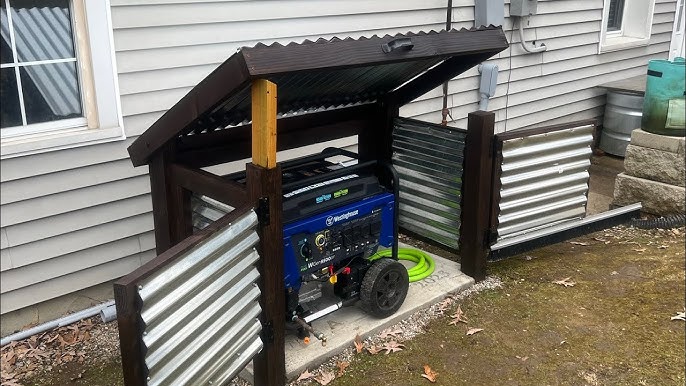
Why Generators Kill the Surrounding Grass
Understanding what’s causing the damage helps you target the right fix. There are four main culprits:
1. Exhaust heat. This is the biggest offender. The exhaust side of a standby generator (typically the left side as you face it) blows hot combustion gases directly outward and often slightly downward. During an extended outage — hours or even days of continuous operation — this exhaust stream can reach temperatures high enough to scorch the grass in a 3- to 6-foot zone. You’ll notice a fan-shaped brown patch extending from the exhaust port.
2. Radiant heat from the housing. Even on the non-exhaust sides, the generator housing gets warm during operation. Grass growing right up against the base of the unit dries out faster and browns more easily, especially during summer outages when the ambient temperature is already high.
3. Vibration and compaction. Generators vibrate when running. On softer soils, this vibration compacts the ground immediately around the pad, which reduces air and water penetration to the root zone. Over time, compacted soil produces thin, stressed turf that’s more vulnerable to heat and drought.
4. Debris and chemical exposure. Oil drips during maintenance, coolant residue, and the general accumulation of leaves, grass clippings, and debris around the base all contribute to a less-than-ideal growing environment for turf grass. If debris blocks ventilation openings, the generator also runs hotter, which compounds the heat damage to nearby grass.
How to Protect the Lawn (Prevention)
The best approach is to set up the generator area correctly from the start — ideally during or right after installation. If your generator is already installed, you can still retrofit these solutions.
Replace the Turf in the Exhaust Zone
Don’t fight the exhaust. Grass in the direct exhaust path is going to die during extended generator operation no matter what you do. Instead of replanting the same doomed patch every year, replace it with a non-living ground cover.
Remove the sod in a rectangular area extending at least 4 to 6 feet from the exhaust port and 2 to 3 feet wide. Lay landscape fabric and cover with decorative gravel, river rock, or lava rock. Border the area with steel landscape edging for a clean line against the remaining lawn. This eliminates the dead-grass problem permanently and actually looks better than a struggling patch of turf.
Create a Gravel or Rock Border Around the Full Pad
Extending a 12- to 18-inch gravel border around the entire generator pad provides a buffer zone that absorbs heat, prevents debris accumulation against the turf line, and gives maintenance technicians a clean surface to walk on without compacting your lawn.
This is the single most impactful thing you can do for the surrounding turf. It keeps the grass far enough from the heat sources that it stays healthy while giving the generator zone a finished, intentional look. For a complete walkthrough on setting up a rock garden or hardscaped border, see our guide on landscaping ideas to hide a generator.
Maintain Proper Clearances
NFPA code requires that no vegetation taller than 12 inches grows within 3 feet of the generator. This isn’t just a safety rule — it’s good for your lawn. Grass that’s allowed to grow right up to the generator housing traps moisture against the base, blocks airflow, and accumulates clippings and debris that decompose into a mat of organic material. Keeping a clean 3-foot perimeter prevents all of this.
If you prefer a green look rather than gravel, consider planting a low-growing ground cover like creeping thyme or sedum in the buffer zone. These stay well under 12 inches, tolerate heat and poor soil, and look far better than struggling turf grass.
Aerate the Surrounding Lawn Annually
The foot traffic from weekly self-test cycles (you or a technician checking on the unit) and annual maintenance visits compacts the soil in a ring around the generator. Aerating this area each fall (for cool-season lawns) or late spring (for warm-season lawns) relieves compaction and lets water and nutrients reach the root zone.
Pay special attention to the path you or the technician walks to reach the generator. If you notice a worn trail developing, consider installing a stepping-stone path to distribute foot traffic and protect the turf.
Keep Debris Cleared
Make it part of your regular lawn care routine to clear leaves, grass clippings, and other debris from around the generator base. This is especially important during fall yard cleanup, when leaves can pile up against the housing and block ventilation openings. Blocked vents cause the generator to run hotter, which increases heat damage to surrounding turf.
If you’re using a mower near the generator, blow clippings away from the unit rather than toward it. Clippings that accumulate inside the housing can clog air filters and create fire hazards.
How to Repair Lawn Damage Around a Generator
If your grass is already brown, dead, or thinning around the generator, here’s how to fix it.
Assess the Damage
First, determine what’s actually dead versus what’s just dormant or stressed. Yellowing or browning grass near a generator is often heat-stressed rather than dead. Try watering the area deeply for a week. If the grass greens up, it was dormant and will recover on its own with improved conditions. If it stays brown, it’s dead and needs to be replaced.
Repair Small Patches (Under 4 Square Feet)
For small dead spots, the repair is straightforward:
1. Rake out the dead grass and loosen the top 2 to 3 inches of soil with a hand cultivator.
2. Add a thin layer (half an inch) of compost or topsoil to improve the soil quality.
3. Apply grass seed matched to your existing lawn type. If you’re not sure what you have, our guides on cool-season grasses and warm-season varieties like Bermudagrass and Zoysiagrass can help you identify your turf.
4. Lightly rake the seed into the soil and keep the area consistently moist for 2 to 3 weeks until germination.
5. Once established, address the cause of the damage (exhaust heat, compaction, etc.) so the new grass doesn’t meet the same fate.
Repair Larger Areas (Over 4 Square Feet)
For bigger dead zones, overseeding or resodding is more effective than patching. Remove the dead turf completely, amend the soil, and either reseed or lay fresh sod. Fall is the best time for this work with cool-season grasses; late spring works best for warm-season lawns.
Before reseeding, make the preventive improvements described above — especially the gravel buffer around the pad and the exhaust-zone hardscaping. There’s no point in planting new grass in a spot where it’s going to die again.
Consider Replacing Turf With Alternatives
If you’re tired of repairing the same patch over and over, the most practical solution is to stop trying to grow grass there. Replace the problem area entirely with one of these alternatives:
— Decorative gravel or river rock with landscape edging — the lowest-maintenance option
— Creeping ground cover like thyme, sedum, or clover — green and living, but far more heat- and traffic-tolerant than turf grass
— A small rock garden with feature boulders and potted plants — turns a problem area into a landscape feature
For more ideas on replacing grass in tough spots, check out our guide on backyard ideas without grass.
Best Grass Types for Growing Near Generators
If you’re committed to keeping turf grass around your generator, some species handle the stress better than others.
Warm-season grasses: Bermudagrass is the most heat- and traffic-tolerant turf grass available. It recovers quickly from damage, spreads aggressively to fill bare spots, and handles the radiant heat from a generator housing better than almost any other grass. Zoysiagrass is another strong option — it’s dense, heat-tolerant, and handles foot traffic well.
Cool-season grasses: Tall fescue is the best cool-season choice near generators. It has the deepest root system of the common cool-season grasses, which makes it more drought- and heat-tolerant. It also handles foot traffic better than Kentucky bluegrass or fine fescues.
Grass to avoid near generators: Fine fescues (creeping red fescue, chewings fescue, hard fescue) and centipede grass are the least tolerant of heat stress and foot traffic. They’ll be the first to die in the generator zone.
Seasonal Lawn Care Around Your Generator
Spring: Clear winter debris from around the generator. Check for rodent nests inside the housing (they love the warmth). Inspect the surrounding lawn for winter damage and reseed bare spots. Resume regular fertilization of the surrounding turf.
Summer: Keep the 3-foot clearance zone trimmed and clean. Water the surrounding lawn adequately — the area near the generator tends to dry out faster due to reflected heat from the housing and concrete pad. Mow away from the generator to prevent clipping buildup against the housing.
Fall: This is the most critical season for generator-area maintenance. Clear fallen leaves regularly — they accumulate fast against the generator housing and can block ventilation. Aerate the surrounding lawn to relieve compaction. Overseed any thin or bare areas with a grass type suited to your climate.
Winter: Keep snow and ice cleared from around the generator — the unit needs clear vents and exhaust to operate safely during winter outages. Avoid piling plowed or shoveled snow against the generator housing, as it can block airflow and cause ice to form over ventilation openings. Salt and de-icer runoff from nearby walkways can also damage turf in the generator zone — if this is a concern, use calcium magnesium acetate instead of sodium chloride.
The Bottom Line
The grass around your generator doesn’t have to look terrible. The simplest fix is to stop fighting a losing battle — replace the immediate exhaust zone with gravel or decorative stone, maintain a clean buffer around the pad, and focus your lawn care efforts on the turf that’s far enough from the heat to actually thrive.
If you’re planning a full landscaping overhaul of the generator area, our guide on landscaping ideas to hide a generator covers everything from shrub screening to rock gardens to privacy fencing. And if you’re still in the market for a generator, our best home standby generators buyer’s guide can help you choose the right unit — including the yard placement considerations you should think about before installation day.
This post contains affiliate links, which means Finest Lawns may earn a small commission if you purchase through our links — at no extra cost to you. We only recommend products we’d use in our own yards.