How to Prepare Your Backyard for a Trampoline (Without Ruining Your Grass)
Installing a trampoline sounds simple—put it on the lawn and let the kids jump.
In reality, that’s how you end up with dead grass, muddy patches, and an uneven trampoline within a few weeks.
If you want your trampoline to stay level, safe, and not destroy your yard, the ground prep matters. Below is the grass-smart way to do it, based on real homeowner experiences and basic landscaping principles.
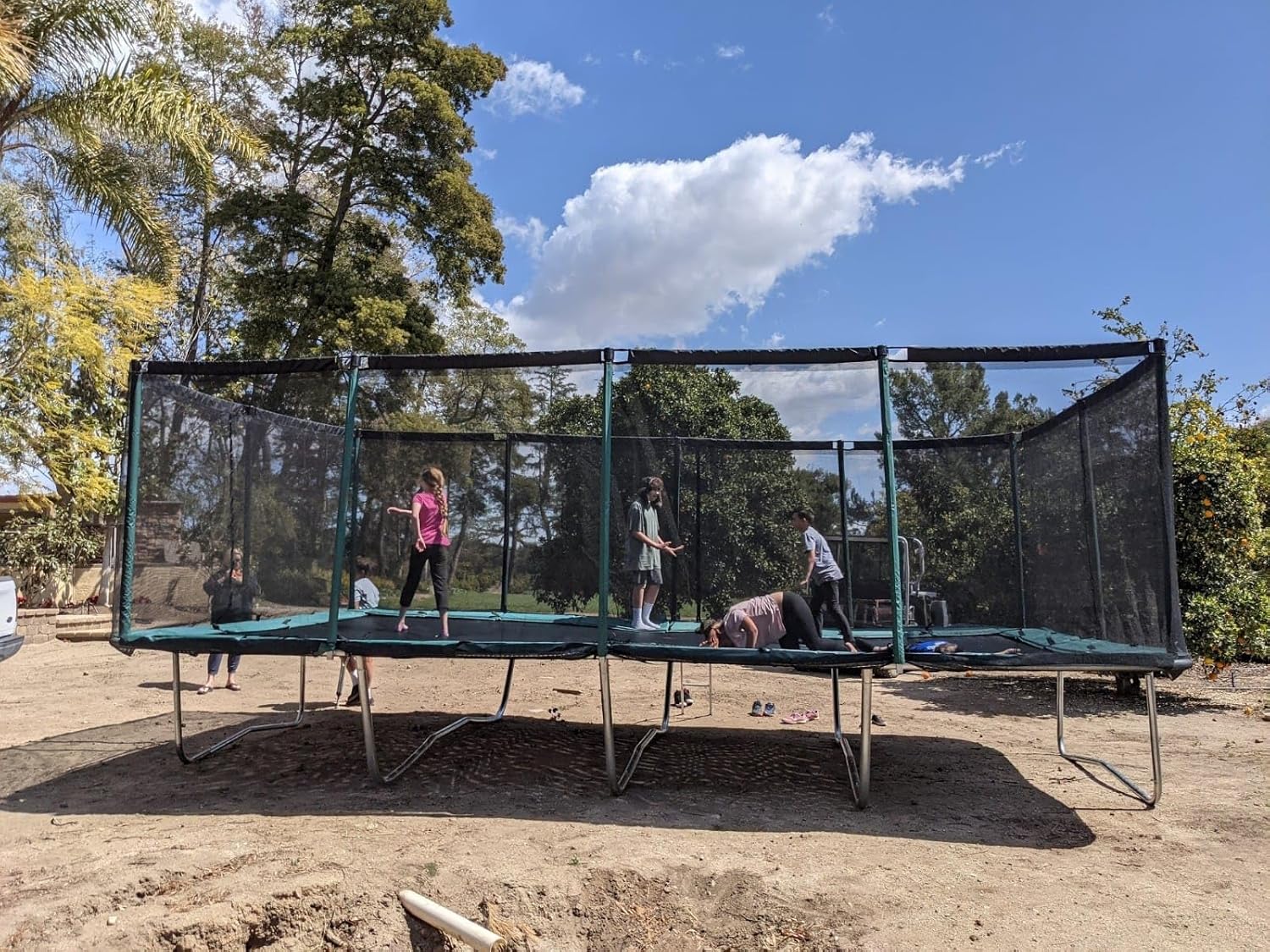
Step 1: Choose the Right Spot First
Before touching the grass, choose the location carefully.
Look for:
-
A flat or nearly flat area
-
6–8 feet of clearance on all sides
-
No overhead branches, fences, or wires
-
No low spots where water collects after rain
👉 If the area already puddles, putting a trampoline there will make it worse.
Step 2: Understand What Happens to Grass Under a Trampoline
Here’s the honest truth most people learn the hard way:
-
Grass under a stationary trampoline almost always dies
-
Shade + foot traffic + compacted soil = bare dirt
-
Once the grass is gone, rain turns it into mud
Some people move their trampoline regularly to keep grass alive—but for most families, that becomes unrealistic fast.
The smarter move: plan for the grass underneath to not survive and prepare accordingly.
Step 3: Remove the Grass (Don’t Just Flatten It)
Instead of letting the grass die slowly, remove it intentionally.
How:
-
Strip 2–4 inches of grass and topsoil
-
Make the cleared area slightly larger than the trampoline frame
Why this works:
-
Prevents muddy buildup
-
Stops weeds from pushing through later
-
Creates a stable base instead of soft, sinking turf
Step 4: Level the Ground Properly
A trampoline exaggerates even small slopes.
To level correctly:
-
Use a long straight board (2×4) with a level
-
Dig down high spots instead of filling low spots
-
Aim for fully level—not “close enough”
⚠️ Avoid building up low areas with loose soil. It will compact unevenly and cause the frame to tilt.
Step 5: Install a Weed Barrier (This Is Key)
Lay down landscape fabric over the cleared soil.
Benefits:
-
Blocks weeds and grass regrowth
-
Keeps soil from mixing into your base
-
Reduces mud and erosion
Secure it tightly with landscape staples.
Step 6: Choose the Best Surface Under the Trampoline
You have a few solid options depending on budget and aesthetics.
Option A: Crushed Stone (Best Overall)
-
2–3 inches of ¼” crushed stone or stone screenings
-
Lightly compacted
Pros: Excellent drainage, clean look, low maintenance
Cons: Slightly more labor upfront
Option B: Rubber Mulch
-
Soft and kid-friendly
-
Drains well
Pros: Clean appearance, no splinters
Cons: More expensive than stone
Option C: Landscape Fabric Only (Temporary)
-
Works short term
Cons: Dusty, wears quickly, not ideal long-term
Step 7: Install the Trampoline and Re-Check Level
Once assembled:
-
Make sure all legs sit firmly
-
No rocking or sinking
-
Re-check level after the frame is fully loaded
Optional but smart:
-
Place pavers or flat stones under each leg
-
Helps prevent sinking during wet seasons
Common Mistakes to Avoid
❌ Leaving the trampoline directly on grass
❌ Ignoring drainage issues
❌ Filling low spots instead of digging high spots
❌ Skipping weed barrier fabric
These mistakes lead to:
-
Mud pits
-
Rusted legs
-
Uneven bounce
-
Re-doing the entire setup later
Optional Upgrades That Make Life Easier
-
Edging around the base to contain stone or mulch
-
Stepping stones from the yard to the trampoline
-
Ground anchors for wind safety
Quick Rule of Thumb
If you want your trampoline to:
-
Stay level
-
Avoid mud
-
Look intentional in your yard
👉 Grass out → fabric down → draining base in.
Final Thought
A trampoline doesn’t have to wreck your lawn—but it will if you treat it like temporary yard furniture. A little prep upfront saves you months of mess and frustration later. By the way, here are some of the best backyard trampolines.
If you want help dialing this in further (yard slope, soil type, trampoline size), you can tailor this setup easily with a few small adjustments.